Introduction
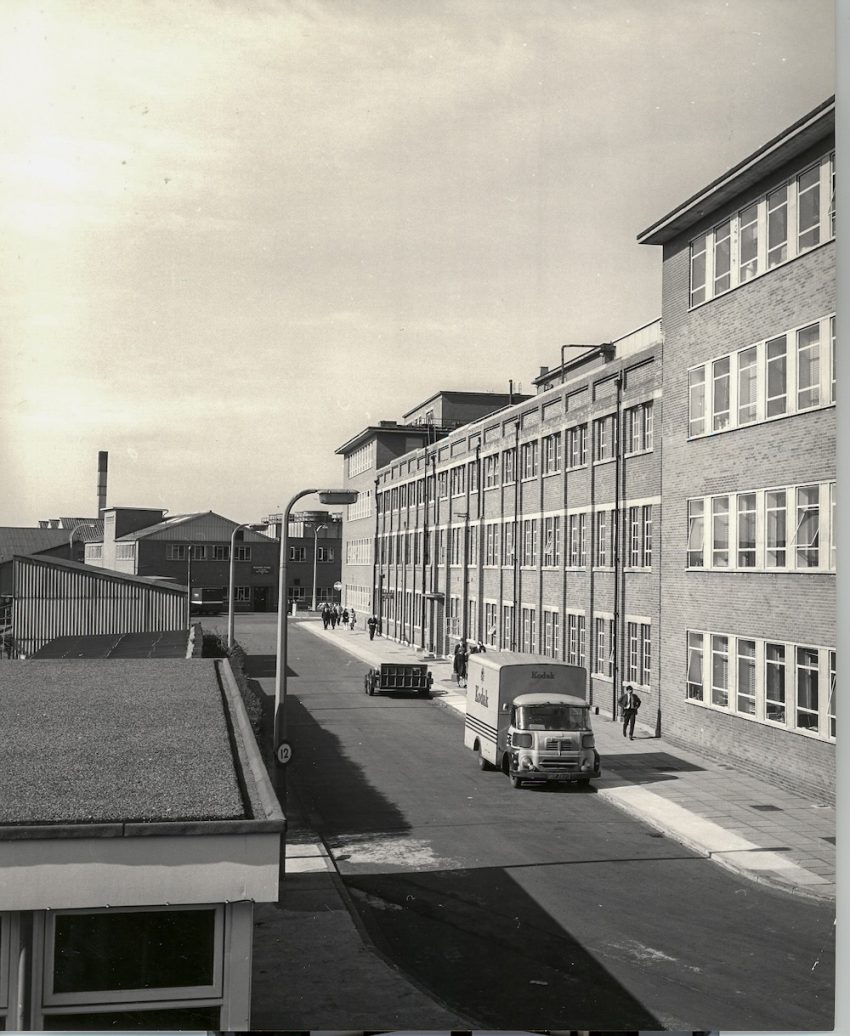
INSTAMATIC 6000 is a major public art commission for Harrow View East, a new residential development on the site of the former Kodak factory in Harrow.
The project is being delivered with FrancisKnight, who are providing public art consultancy and project management for L&Q. The artistic concept, design and content of the artworks have been developed by Tom Pearman through research into the history of the Kodak site, its photographic technologies, manufacturing processes and workforce.
The proposals form part of a detailed public art planning strategy for the development, setting out how the artworks respond to the site’s history, identity and emerging public spaces.
At the centre of the project is a large-scale sculpture inspired by Kodak’s Instamatic cameras. Positioned within the main entrance plaza to the development, the sculpture will form a prominent landmark and establish an immediate connection between the new neighbourhood and the history of the former factory.
Instamatic 6000
One face of the sculpture presents a bold and recognisable interpretation of an Instamatic camera, referencing Kodak’s role in making photography simple, accessible and affordable to a mass audience.
A large camera aperture incorporated into the sculpture will be orientated towards the surviving Kodak chimney, one of the most prominent remaining features of the former factory. This creates a direct visual relationship between the new artwork and the industrial architecture of the original Kodak site.
The reverse of the sculpture presents a more abstract arrangement of enlarged buttons, knobs, dials and switches, drawing on the controls and machinery once used throughout the factory. These elements introduce a more tactile and human-scale aspect to the sculpture and encourage interaction.
Together, the two faces move between the familiar object of the camera and the less visible machinery and processes behind its manufacture.
The workforce
The number 6000 refers to the approximately 6,000 people employed at Kodak Harrow at the factory’s peak, turning the sculpture’s model number into a direct reference to the workforce that sustained the site.
This emphasis on the people behind the products is an important part of the project. While the Instamatic provides a recognisable starting point, the wider artwork explores the machines, processes, skills and working lives involved in photographic production.
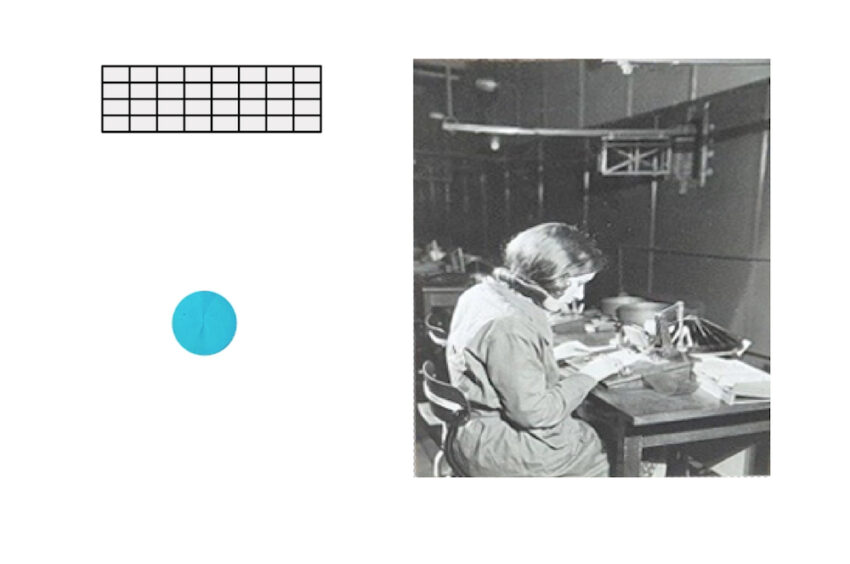
The sculpture is accompanied by a series of wall-mounted vitreous enamel artworks celebrating generations of Kodak employees. These panels incorporate photographs, stories and graphic elements developed through research into the factory and its workforce.
Community engagement
Community engagement has been central to the development of the project. A programme of workshops, mentoring and consultation has been delivered in partnership with Harrow Arts Centre, involving students, emerging artists, local participants and former Kodak employees.
Participants explored camera design, photographic technology and the history of the factory, producing creative responses and contributing ideas that helped inform the development of the artworks.
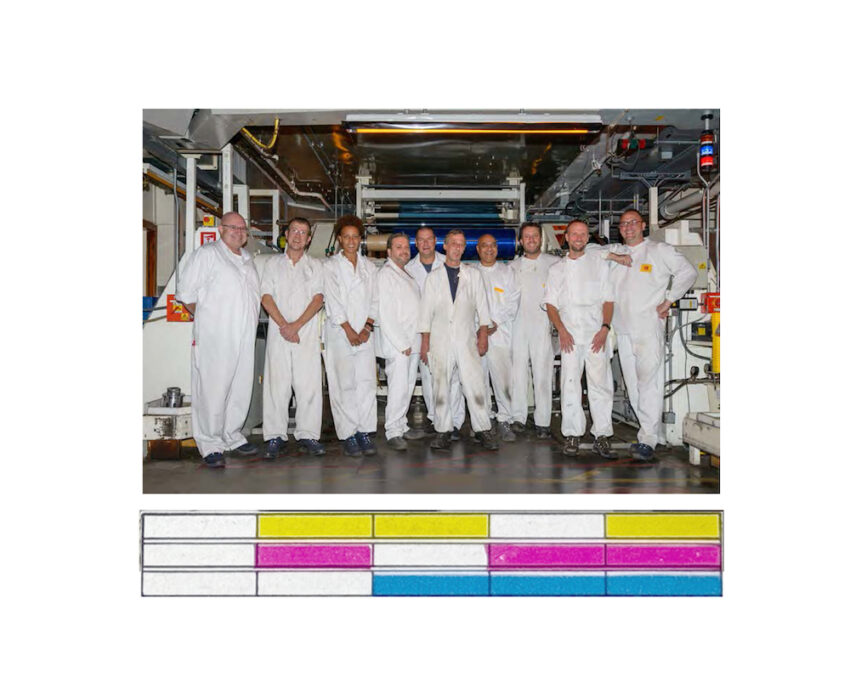
Engagement with former Kodak employees has been particularly significant. Their memories, stories and archival photographs have provided an important source of material, helping to shape both the sculpture and the vitreous enamel panels.
The process has enabled the project to reflect not only Kodak’s products and technological innovation, but also the experiences of the people who worked at the factory and contributed to its history.
Project development
When completed, INSTAMATIC 6000 and the accompanying artworks will form a permanent part of Harrow View East, creating a connection between the emerging residential community and the industrial, technological and social history of the former Kodak factory.
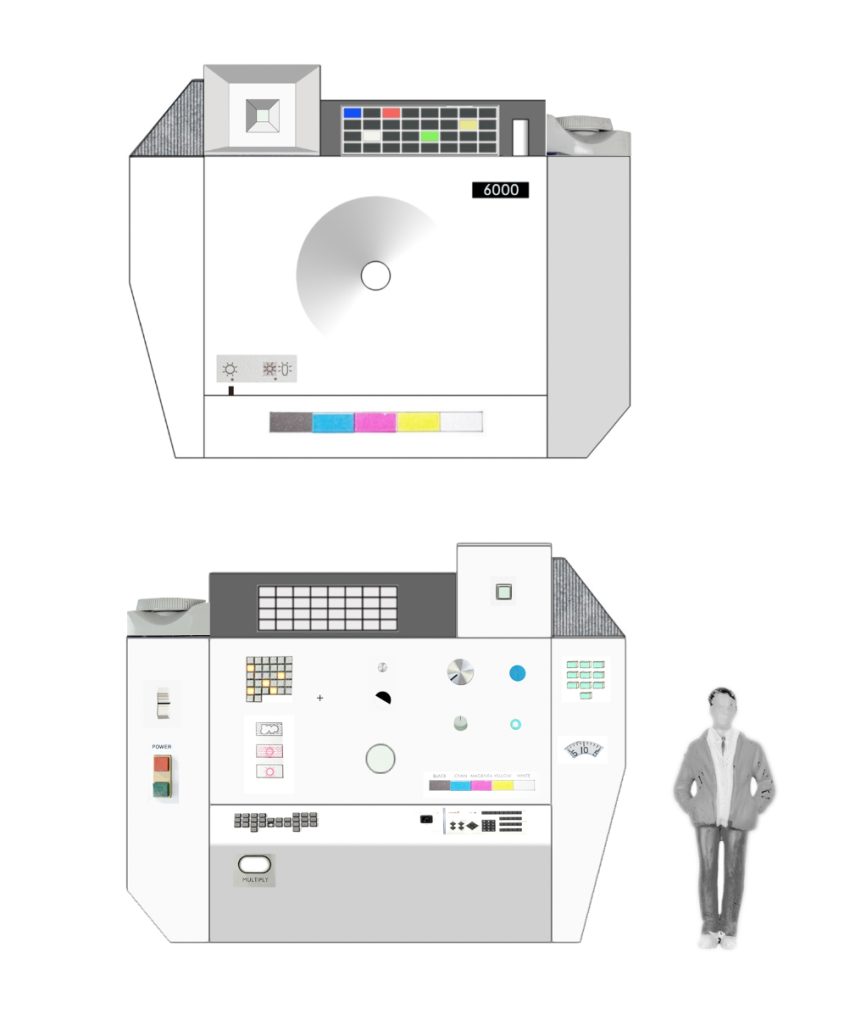
The sculpture on one side features a bold, recognisable camera referencing Kodak’s role in popularising photography with the iconic Kodak Instamatic range of cameras, while the reverse side presents an abstract arrangement of knobs, dials, and switches inspired by factory machinery, celebrating the factory’s workforce and processes behind production.
–
–
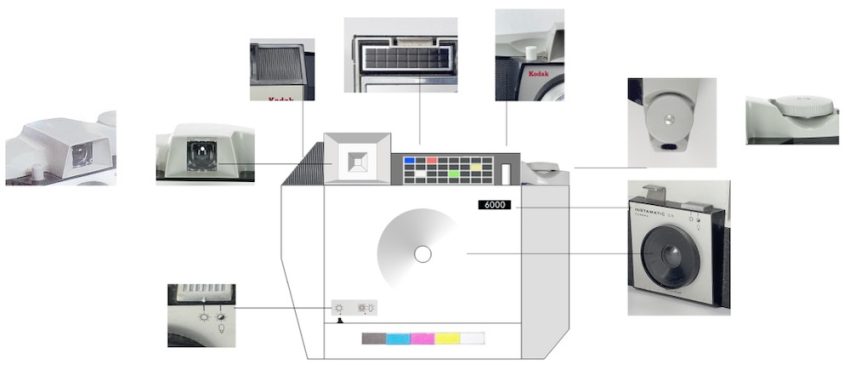
The sculpture’s proposal is inspired by the Kodak Instamatic series of cameras. The Instamatic range represented Kodak’s pioneering approach to making photography simple, accessible, and affordable to the general public, an ethos that underpins the narrative of the sculpture.
–
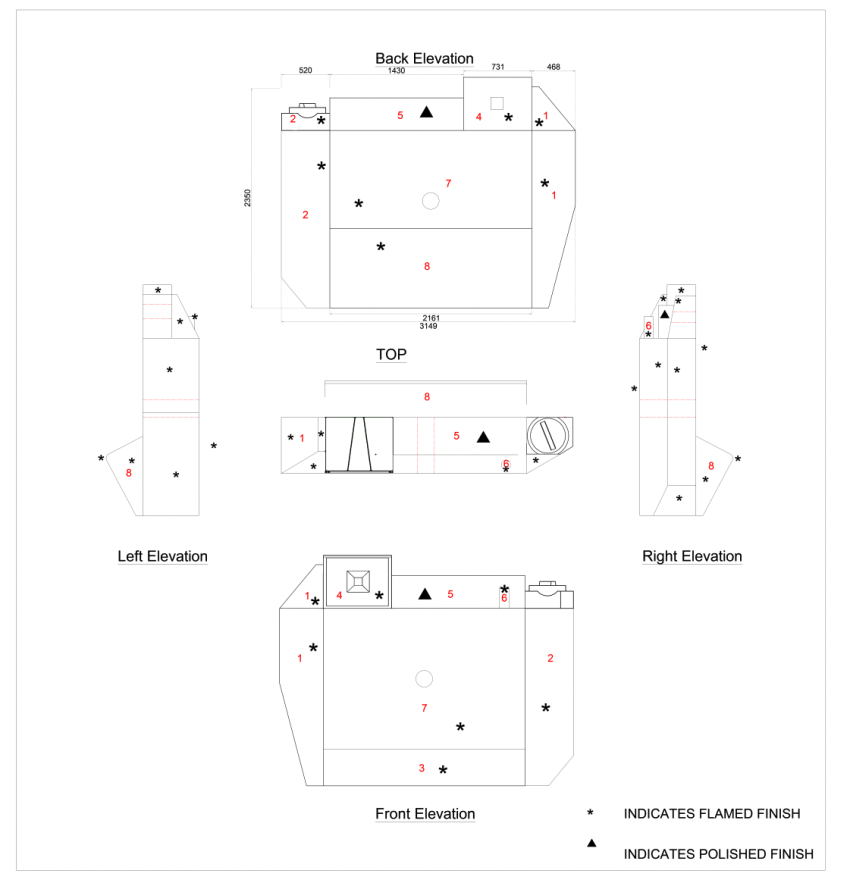
The sculpture is to made from machined granite and combination of other machined materials for its features.
–
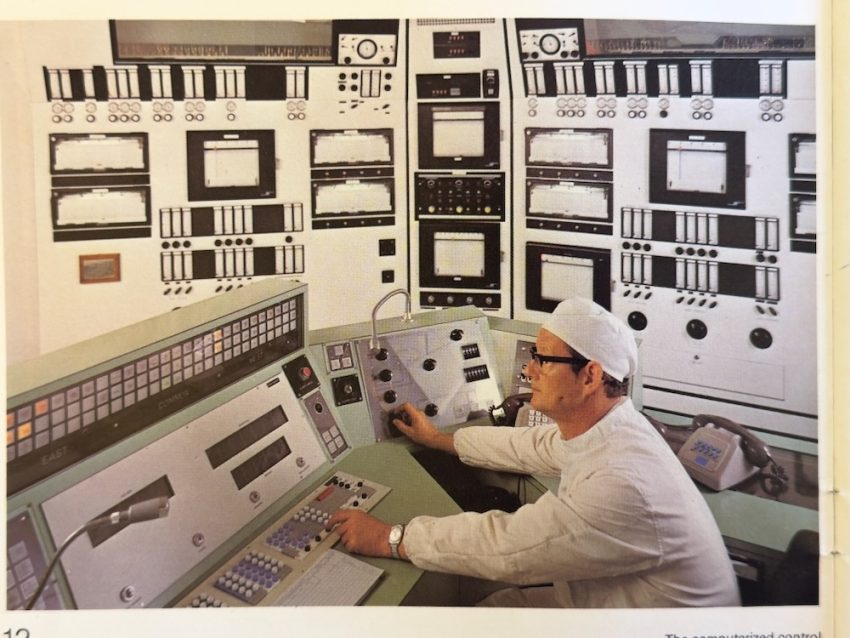
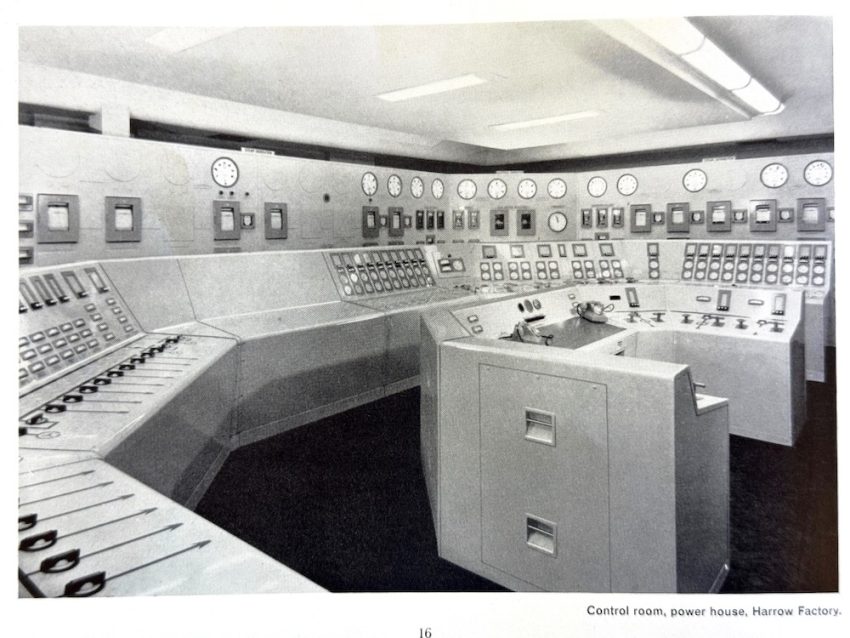
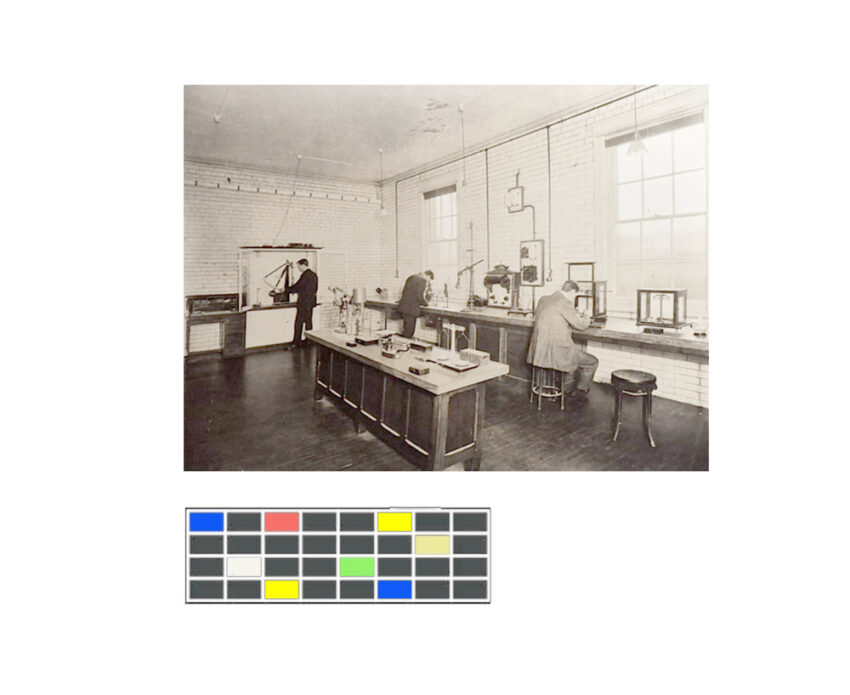
The control room at the former factory.
–
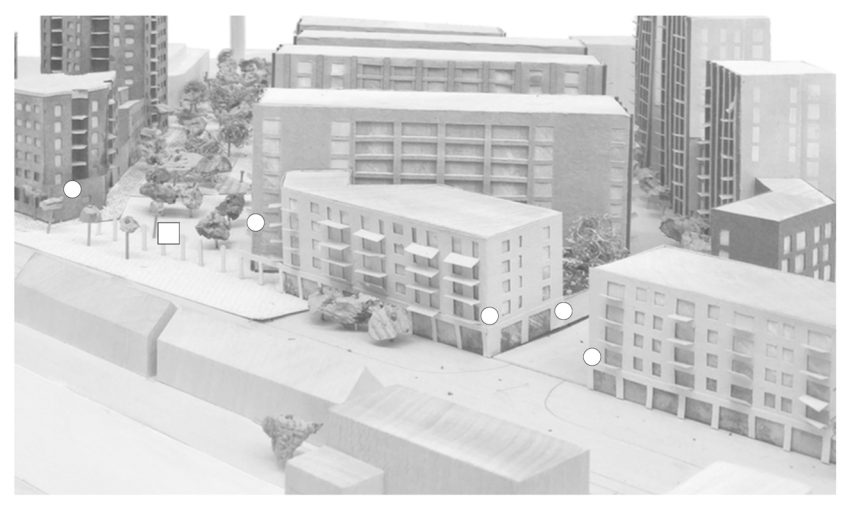
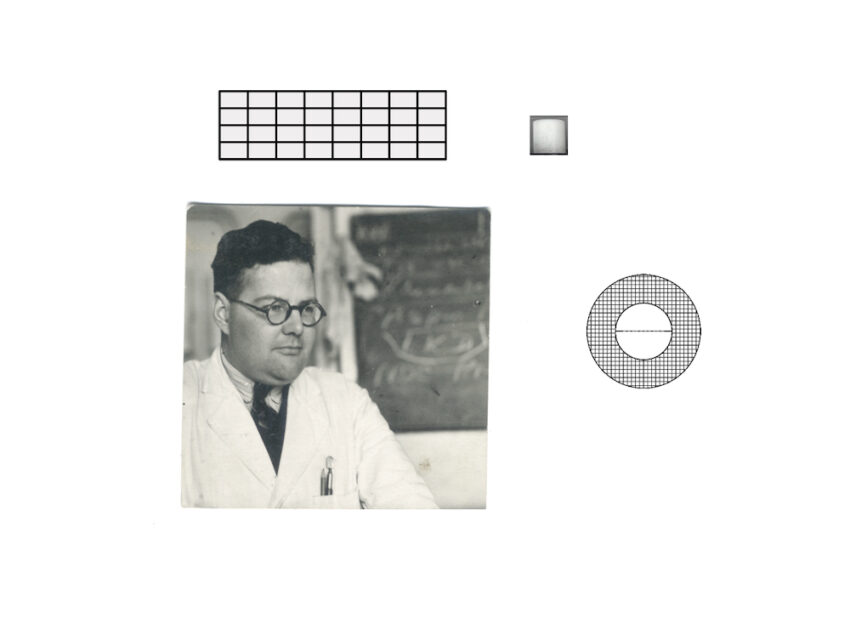
Location of the sculpture (square) and vitreous enamel wall-mounted panels (circles).
–
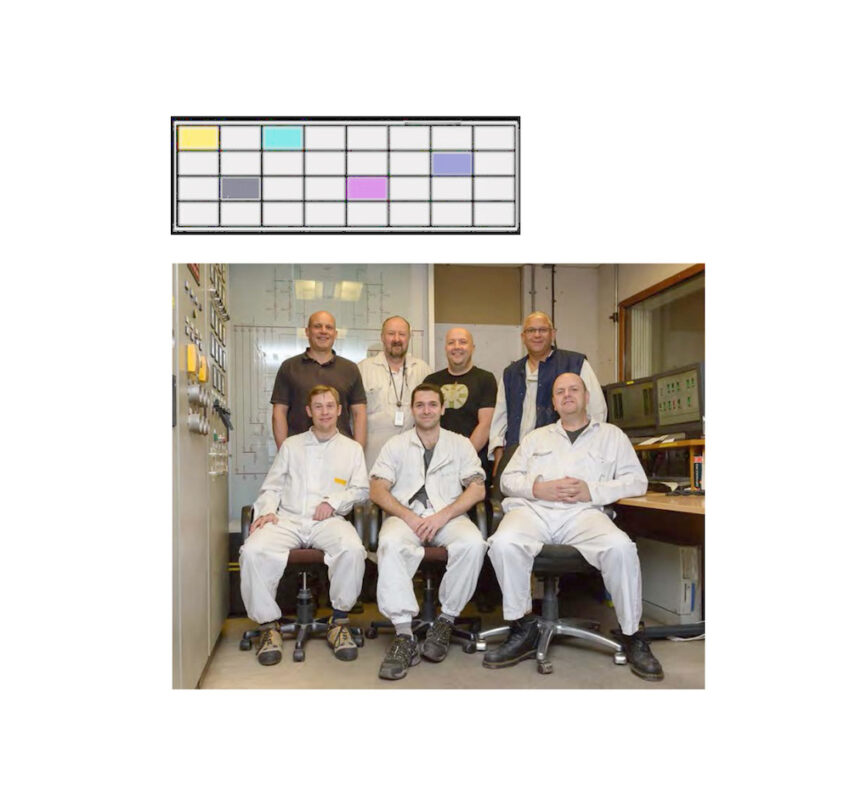
The sculpture is complemented by a series of wall-mounted vitreous enamel panels that celebrate the workforce across generations. These panels incorporate graphic elements derived from the sculptural forms, creating a cohesive visual language across the wider artwork scheme. Together, the works balance abstraction with recognisable features, blending technological references with human stories.
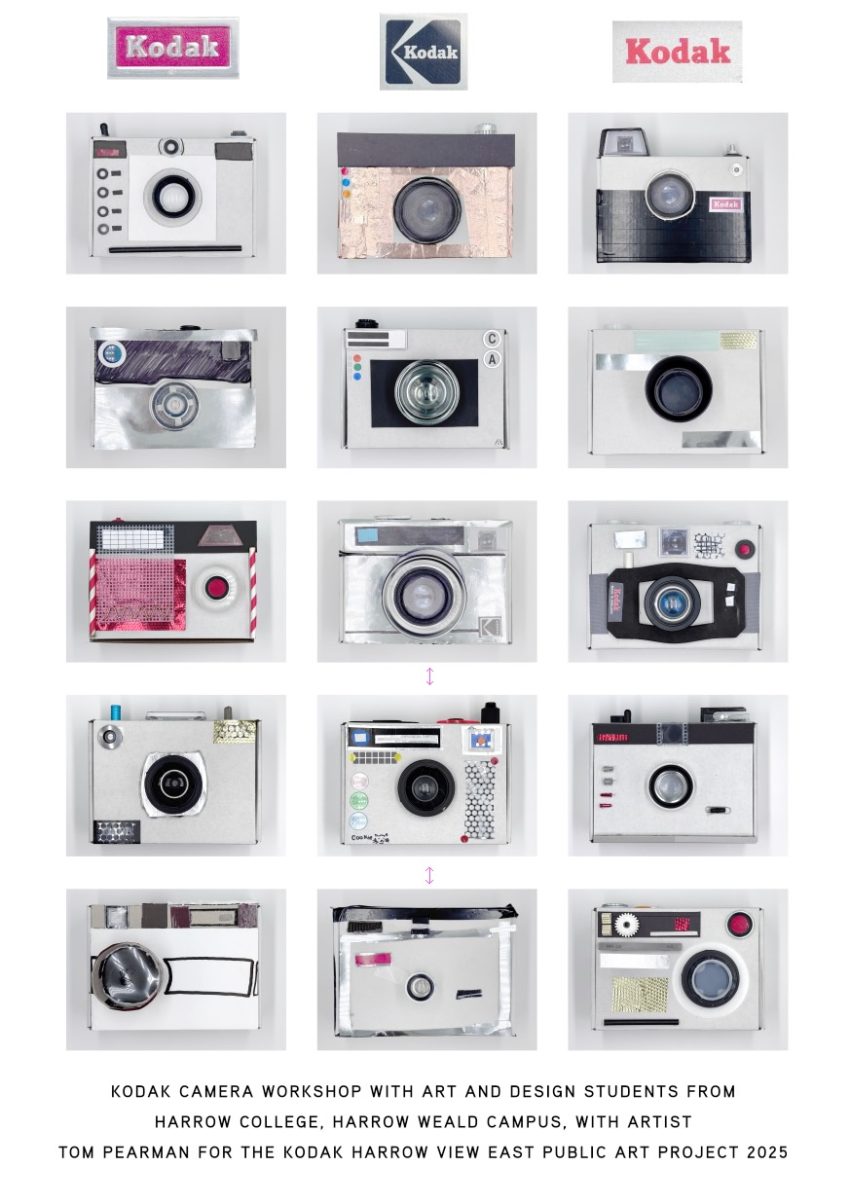
Community engagement has been central to the project’s development. Between 2024 and 2025, an extensive programme of workshops, mentoring, and public consultation was delivered in partnership with Harrow Arts Centre. Participants, including students, emerging artists, and former Kodak employees, contributed ideas, shared experiences, and explored creative interpretations of camera design. ENGAGEMENT PROGRAMME →
–