LONDON PRINT STUDIO
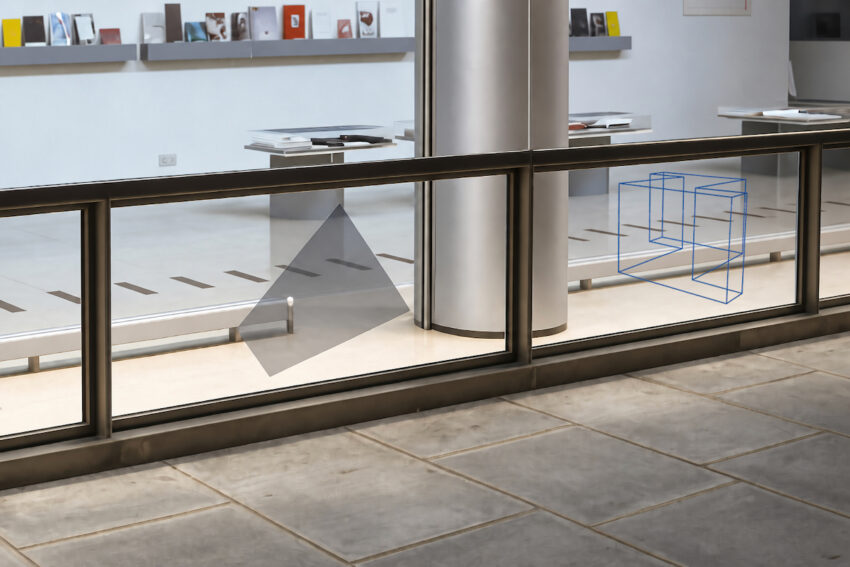
A series of architectural glass artworks exploring spatial awareness through sharp-edged forms and transparent colour, integrated across a 30-metre gallery façade.
MORE IMAGES ↓
Project London Print Studio Architectural glass project
Client London Print Studio and Westminster City Council
Location London Print Studio, Harrow Road, London
Medium Toughened safety glass and fired enamels
Date 2000
Size 1400 x 650 mm each panel (16 panels in total)

Tom Pearman was commissioned to create a series of architectural glass artworks for the new Lottery-funded London Print Studio on Harrow Road, London.
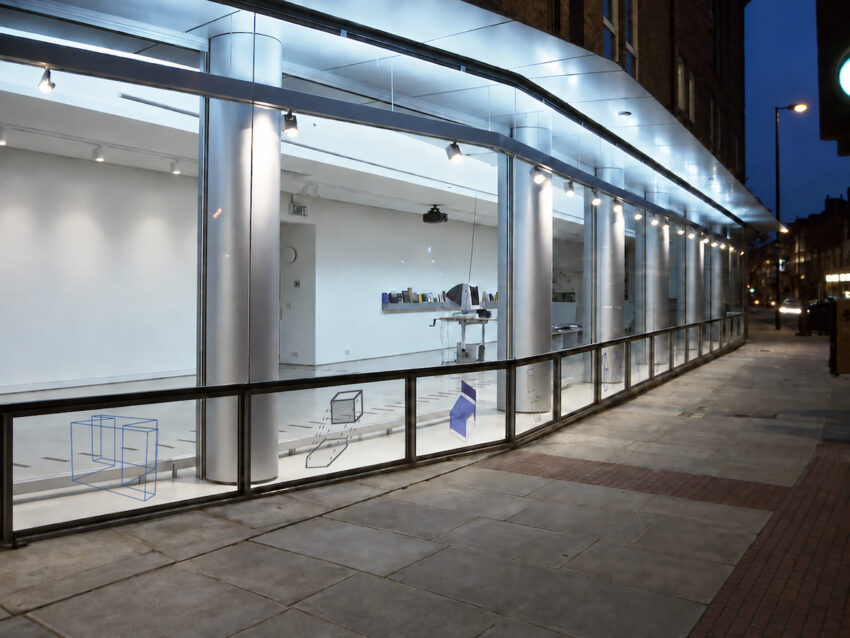
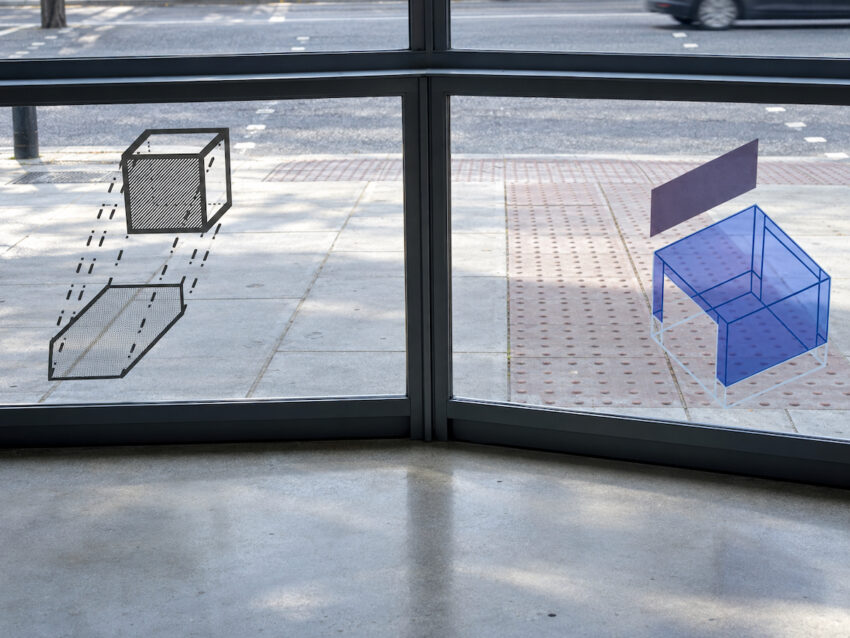
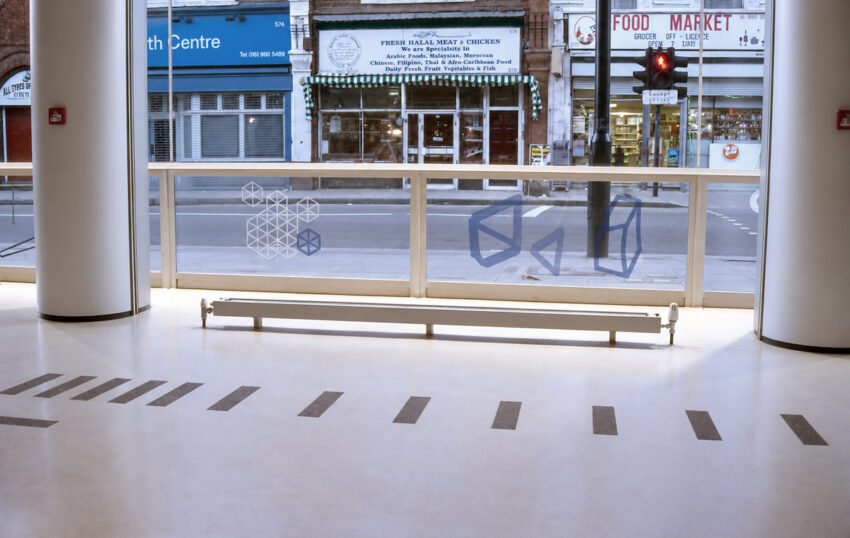
The project extends across the lower section of the building’s approximately 30-metre-long glazed gallery façade, integrating artwork directly into the architecture and allowing it to be experienced from both the street and the interior gallery space.

Spatial awareness

The artworks explore ideas of spatial awareness, perspective and the representation of three-dimensional form on a flat transparent surface.

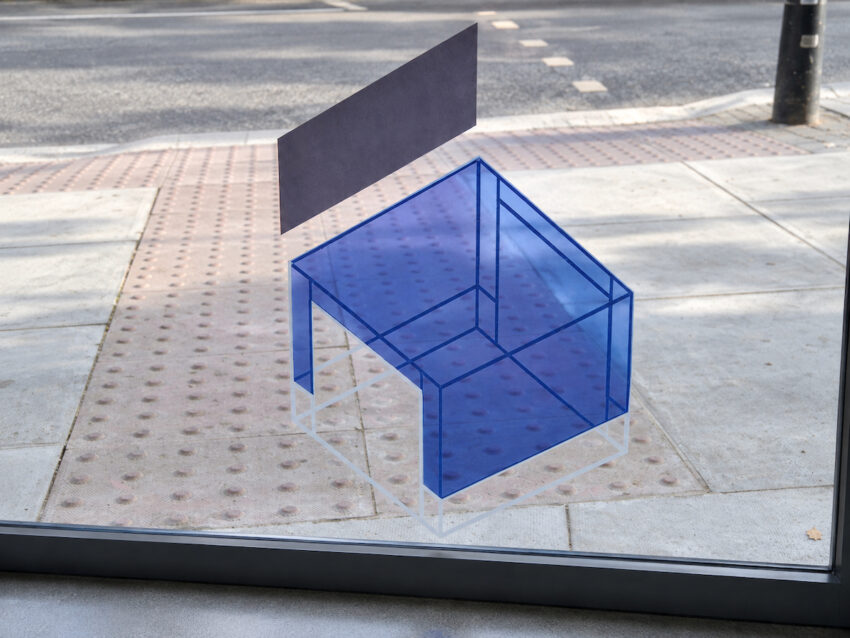
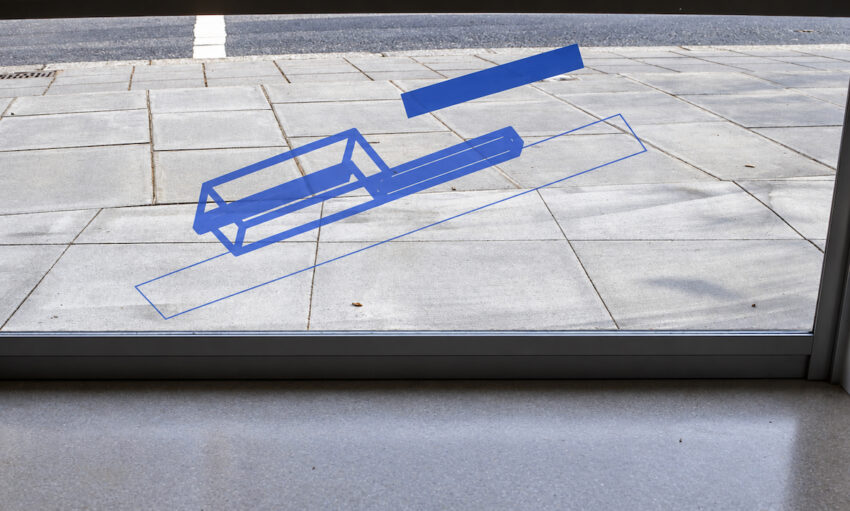
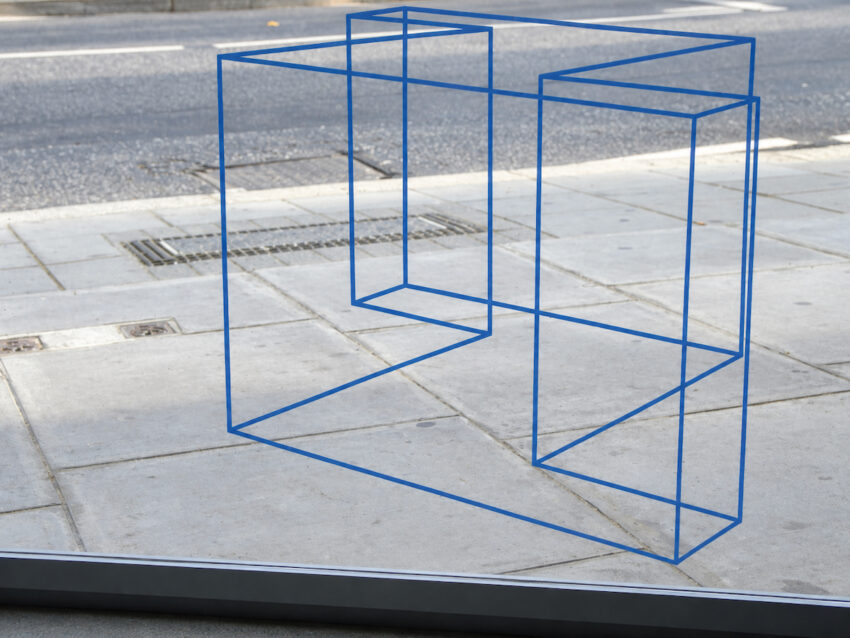
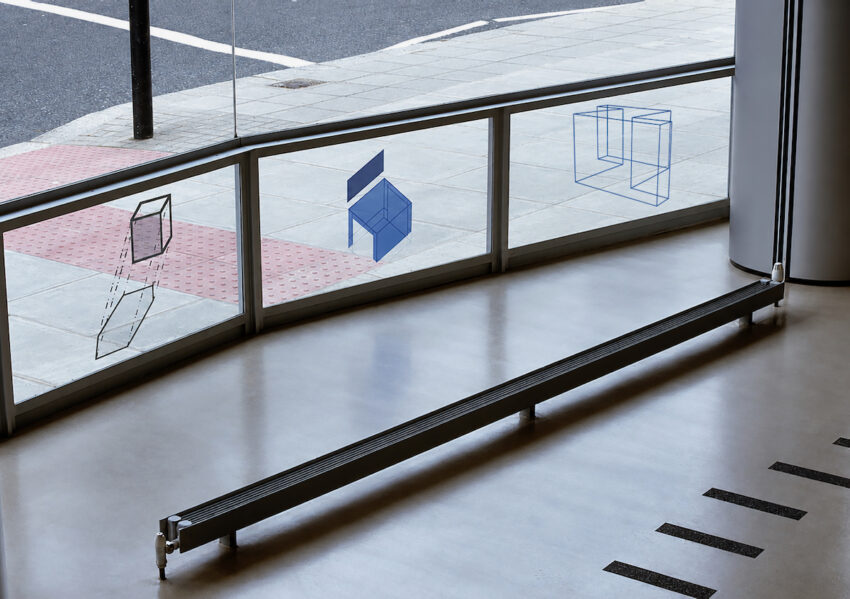
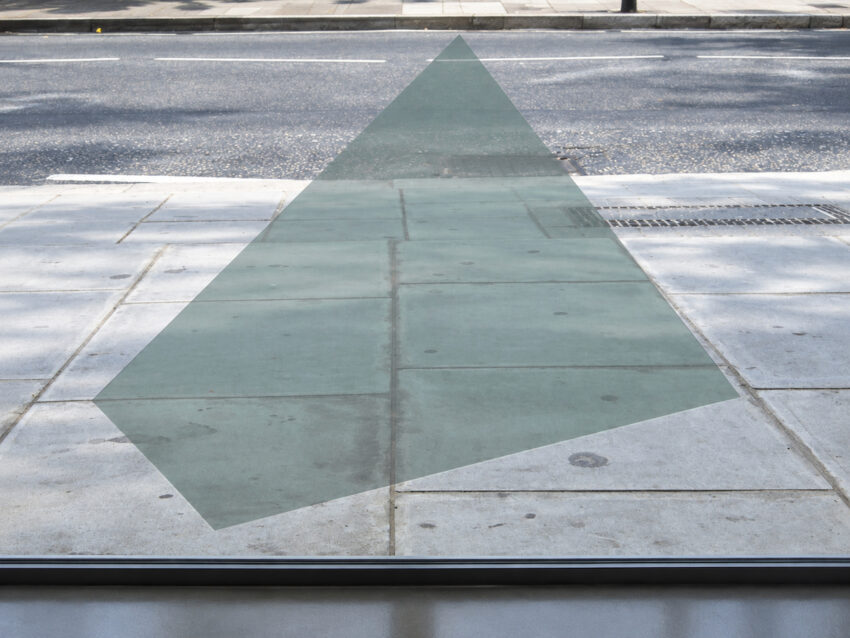
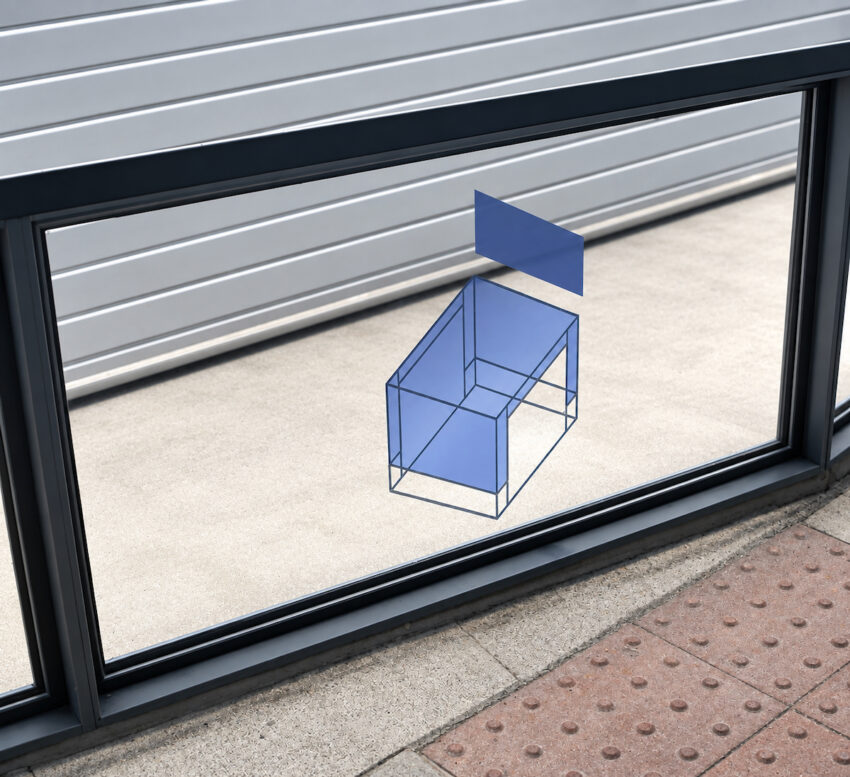
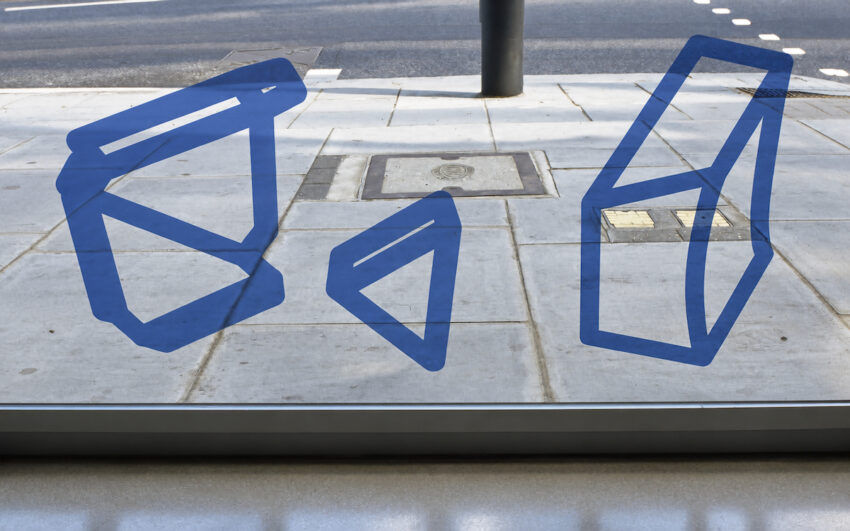
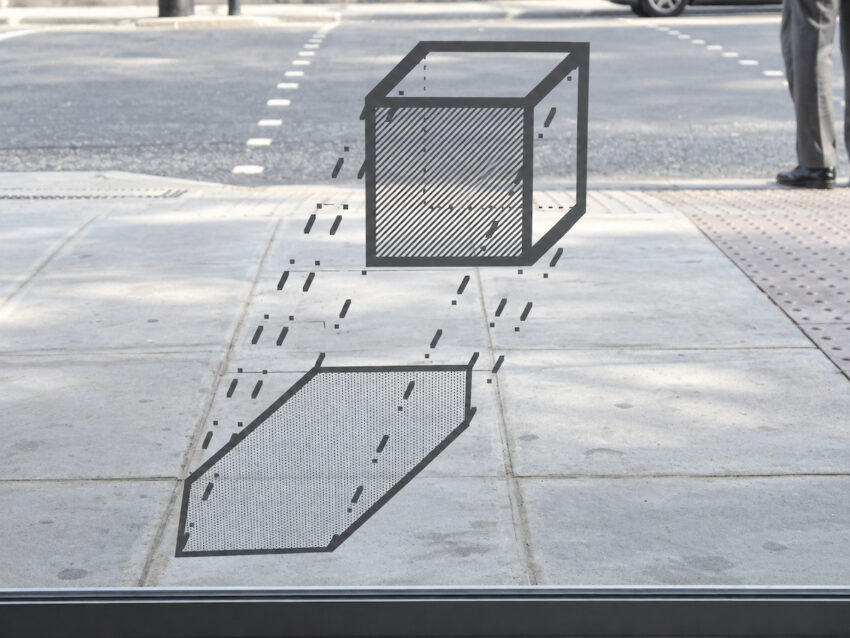
Across the sixteen glass panels, cubes, planes and sharply defined geometric structures appear to project into and beyond the glazing. Some forms are represented through simple outlines, while others use transparent blocks of colour, creating a shifting relationship between drawn space and the real streetscape visible through the glass.

The transparency of the glazing means that pavement, road, buildings and passing people become part of the compositions, continually altering the way the artwork is perceived.

Geometry and illusion

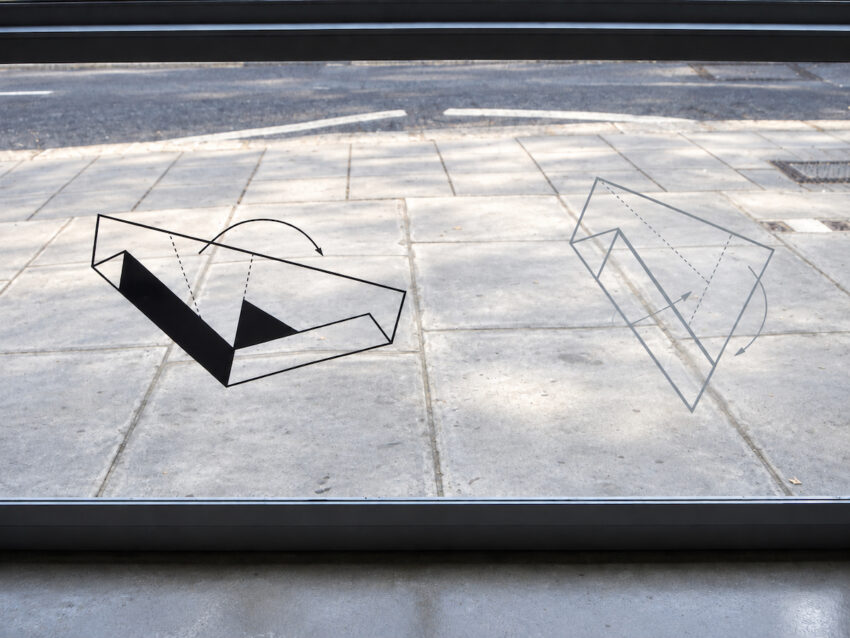
The imagery deliberately plays with the visual conventions used to create the illusion of depth.

Perspective lines, displaced planes, shadows and transparent forms suggest objects that appear to float either in front of or behind the surface of the window.

Because the actual exterior environment remains visible through the imagery, the distinction between represented space and real space becomes intentionally uncertain.

Viewed from different positions along the façade, the geometric forms continually realign with the architecture and street beyond.

Glass and colour

Working with the project architect and engineer, Tom developed a fabrication process suitable for permanent architectural glazing.

The designs were silk-screen printed in fired enamel onto toughened safety glass, combining precise linear graphics with areas of transparent colour.

This process gave the imagery the visual qualities associated with printmaking and stained glass while providing the durability required for a permanent architectural installation.

Interior and exterior

The artworks were designed to function from both sides of the glazing.

From the street, the geometric forms overlay the interior of the gallery and interact with reflections and the surrounding urban environment.

From inside, the artwork frames views onto Harrow Road, allowing pedestrians, vehicles and changing daylight to become part of the visual experience.

At night, illumination from the gallery gives the transparent glass artworks a different presence within the streetscape, emphasising the continuous glazed façade of the building.